
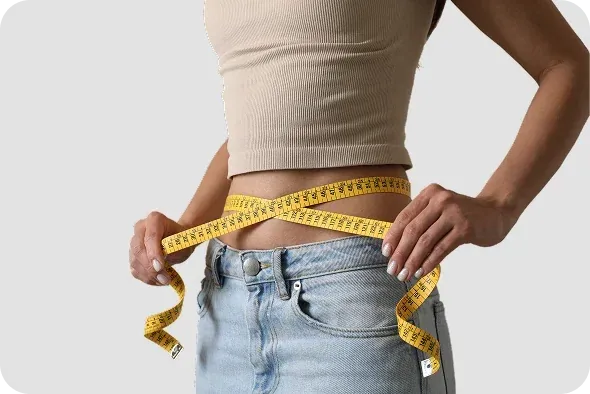


Stubborn fat is rarely about willpower. Clinical data summarized at bodybybtl.com highlights that subcutaneous fat in resistant areas behaves differently than fat elsewhere: it has more alpha-2 receptors (which inhibit fat breakdown) and fewer beta receptors (which trigger lipolysis). That biology is layered with hormonal influence: cortisol promotes abdominal fat storage, low testosterone reduces muscle and raises fat mass, and estrogen shifts during perimenopause redistribute fat to the belly and back.
Aging compounds the picture. After age 30, adults lose roughly 3 to 8 percent of muscle per decade (sarcopenia), which slows resting metabolism and lets fat accumulate even when calories stay flat. Post-pregnancy diastasis recti weakens the abdominal wall and creates the persistent pooch many women see. Insulin resistance, sleep deprivation, and chronic stress complete the loop. Erin Garza considers each of these contributors during your consultation, often coordinating with hormone replacement therapy when hormonal drivers are clearly at play.


