
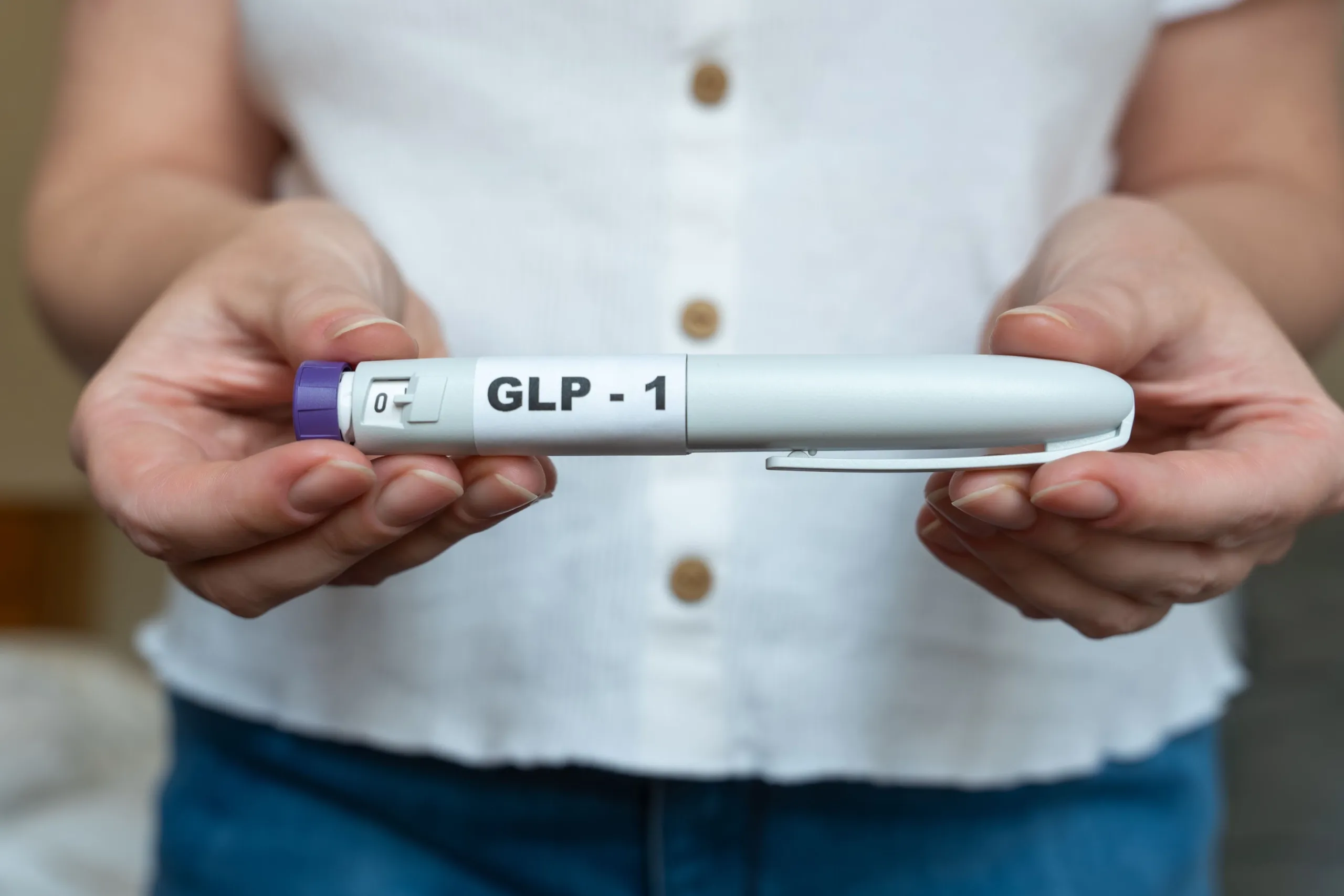
How Does Semaglutide Work? A Complete Guide to GLP-1 Weight Loss Therapy
Curious how semaglutide works for weight loss? Learn the GLP-1 mechanism, what results to expect, common side effects, and why physician-supervised programs deliver better outcomes than online alternatives. From the providers at Evolving Mind and Body in Auburndale, FL.
Semaglutide, marketed as Ozempic, Wegovy, and Rybelsus, has become one of the most discussed medications in modern medicine. Patients in clinical trials lost nearly 15 percent of their body weight on average, a result that historically required bariatric surgery. But behind the headlines, many people still ask: how does semaglutide actually work? At our medical weight loss program in Auburndale, we walk patients through the science every day, because understanding the mechanism is the first step to using this therapy safely.
This guide explains what semaglutide is, how the GLP-1 mechanism works, what realistic results look like, who is a good candidate, what side effects to expect, and why physician-supervised care delivers better outcomes than online alternatives.
The GLP-1 revolution: why semaglutide changed everything
For decades, the medical community had limited tools for treating obesity. Lifestyle changes alone often produced only modest weight loss, and earlier medications had significant side effects, limited efficacy, or both. Then came the GLP-1 receptor agonists, a class that mimics a hormone your body already produces. Semaglutide is the most prominent member, and its arrival has been described as a paradigm shift in metabolic medicine.
Earlier weight loss drugs worked through stimulants or appetite suppressants that affected the central nervous system in blunt ways. GLP-1 medications work with your body's own hormonal signaling, rebalancing the systems that regulate hunger, satiety, and blood sugar. Patients describe the experience as the food noise quieting down, where constant cravings give way to a more natural relationship with food. The GLP-1 revolution has reframed obesity as a metabolic and hormonal condition that responds to medical treatment, just like high blood pressure or thyroid disease.
What is semaglutide?
Semaglutide is a synthetic peptide that mimics a naturally occurring hormone called glucagon-like peptide-1 (GLP-1). It belongs to a class of medications known as GLP-1 receptor agonists. Manufactured by Novo Nordisk, it is sold under three brand names depending on dose and approved use:
- Ozempic: Once-weekly subcutaneous injection approved by the FDA in 2017 for type 2 diabetes. Doses range from 0.25 mg to 2 mg per week.
- Wegovy: Once-weekly subcutaneous injection approved by the FDA in 2021 specifically for chronic weight management in adults with obesity, or overweight with at least one weight-related condition. Doses titrate up to 2.4 mg per week.
- Rybelsus: Oral form of semaglutide approved by the FDA in 2019 for type 2 diabetes, taken as a daily tablet.
While Ozempic was originally developed for diabetes, clinicians quickly noticed patients were losing significant weight, which led to the dedicated obesity trials that produced Wegovy. In 2024, the FDA expanded Wegovy's approval to include reducing cardiovascular risk in adults with cardiovascular disease and overweight or obesity. Review the FDA approval information for semaglutide for the full regulatory history.
How does semaglutide work? The GLP-1 mechanism explained
GLP-1 is an incretin hormone secreted by cells in your small intestine in response to food. It travels through the bloodstream and acts on multiple organs, coordinating a smooth response to a meal. Semaglutide mimics this hormone with a chemical modification that resists breakdown, so a single weekly dose produces sustained activity.
1. Appetite suppression in the hypothalamus
Semaglutide crosses the blood-brain barrier and activates GLP-1 receptors in the hypothalamus, the region of the brain that governs hunger and satiety. By stimulating receptors in the arcuate nucleus, semaglutide reduces the drive to eat and increases fullness after smaller portions. Patients report thinking about food less often and feeling satisfied with meals roughly half their previous size.
2. Slowed gastric emptying
Semaglutide slows the rate at which food leaves the stomach. A typical meal that empties in 60 to 90 minutes can extend to several hours, prolonging fullness.
3. Improved blood sugar regulation
GLP-1 receptors in the pancreas trigger insulin secretion in response to elevated blood glucose, but only when glucose is actually elevated. This glucose-dependent action means semaglutide rarely causes hypoglycemia on its own. Semaglutide also suppresses glucagon, the hormone that signals the liver to release stored sugar. The combined effect is more stable blood glucose and lower hemoglobin A1c values.
4. Reduced reward-driven eating
Beyond pure hunger, GLP-1 also influences the brain's reward circuitry. Patients often notice that highly palatable foods, alcohol, and sweets become less compelling, an effect that appears to involve dopamine signaling in the mesolimbic system.
These four mechanisms explain why semaglutide outperforms calorie counting. For added support, peptide therapy to complement your weight loss program is a valuable adjunct for recovery and lean muscle preservation.
What results can you realistically expect?
Setting realistic expectations matters. Social media is full of dramatic transformations, but published clinical data tells a more measured story.
The pivotal STEP 1 trial, published in the New England Journal of Medicine in 2021, followed nearly 2,000 adults with obesity who were not diabetic. Participants received either weekly semaglutide 2.4 mg or placebo, plus lifestyle counseling. After 68 weeks, the semaglutide group lost an average of 14.9 percent of their starting body weight, compared to 2.4 percent for placebo. About one in three semaglutide patients lost 20 percent or more, a category of result historically reserved for bariatric surgery.
A realistic week-by-week timeline
- Weeks 1-4 (0.25 mg): Starting dose is intentionally low to allow adjustment. Most patients notice mild appetite reduction by week two. Weight loss is modest, often two to four pounds.
- Weeks 5-8 (0.5 mg, then 1 mg): Appetite suppression becomes more pronounced. Patients commonly lose three to six percent of starting weight.
- Weeks 9-20 (1.7 mg, then 2.4 mg): The most active fat loss phase. Average weight loss reaches eight to twelve percent. Lab values often improve.
- Weeks 21-68 (maintenance): Weight loss continues but more slowly. Most patients reach their lowest weight around week 60. The average final result is approximately 15 percent of starting body weight.
- Beyond week 68: Stopping abruptly often leads to weight regain because the underlying biology has not changed. Long-term success usually involves continued therapy at a maintenance dose.
Why results vary
Genetics, baseline metabolic health, hormonal status, sleep quality, stress, and adherence to lifestyle support all influence outcomes. Patients who pair semaglutide with strength training, adequate protein, and hormone optimization where appropriate tend to outperform those who rely on the medication alone. This is why we built our program around integrative wellness at Evolving Mind and Body, rather than treating semaglutide as a standalone solution.
Who is a good candidate for semaglutide?
Semaglutide is FDA approved for chronic weight management in adults who meet specific clinical criteria. You may be a candidate if you meet any of the following:
- BMI of 30 or higher (clinical obesity)
- BMI of 27 or higher with at least one weight-related condition such as type 2 diabetes, hypertension, dyslipidemia, sleep apnea, or polycystic ovary syndrome
- Type 2 diabetes combined with overweight or obesity
- Weight resistant to lifestyle changes despite genuine effort
Who should not take semaglutide
Absolute contraindications include personal or family history of medullary thyroid carcinoma, multiple endocrine neoplasia syndrome type 2, prior severe allergic reaction to semaglutide, and pregnancy or breastfeeding. Relative contraindications include history of pancreatitis, severe gastroparesis, active gallbladder disease, severe GI disease, type 1 diabetes, and active eating disorders. A thorough medical history and laboratory evaluation are essential before starting therapy. If you are dealing with broader weight management challenges, a comprehensive evaluation is the appropriate starting point.
What are the side effects of semaglutide?
Most side effects are gastrointestinal, dose dependent, and manageable with a careful titration schedule.
Common side effects
- Nausea: Most common, especially during dose increases. Typically mild to moderate and improves within days.
- Constipation: Slowed gastric emptying and reduced food intake decrease bowel frequency. Hydration, fiber, and activity help.
- Fatigue: Some patients feel tired in the first few weeks as caloric intake drops. Usually resolves as the body adjusts.
- Diarrhea or heartburn: Less common, particularly during early titration.
Rare but serious side effects
Serious risks include pancreatitis, severe allergic reactions, kidney injury (often related to dehydration from vomiting), gallbladder issues with rapid weight loss, and possible diabetic retinopathy worsening in patients with established disease.
How dose titration minimizes side effects
The standard schedule starts at 0.25 mg weekly and increases every four weeks: 0.5 mg, 1 mg, 1.7 mg, and finally 2.4 mg if needed. This slow ramp dramatically reduces GI effects. Patients who skip steps or self-escalate (common with online compounded products) report worse side effects and higher discontinuation rates.
When to call your provider
Contact your provider promptly for severe abdominal pain radiating to your back (possible pancreatitis), persistent vomiting, signs of an allergic reaction such as hives or difficulty breathing, gallbladder symptoms, or any vision changes with a history of diabetic retinopathy.
Why physician-supervised semaglutide is safer than online alternatives
Telehealth companies advertise semaglutide at a fraction of the cost with a quick online questionnaire and shipping to your door. While the price tag is appealing, there are important reasons to be cautious.
First, many of these companies dispense compounded semaglutide rather than FDA approved Ozempic or Wegovy. Compounded products are not subject to the same manufacturing oversight, purity testing, or potency verification. The FDA has issued multiple warnings about adulterated and substandard semaglutide products on the market. Second, the medical evaluation is minimal. A short questionnaire cannot replicate a comprehensive history, exam, and laboratory workup that identifies contraindications and tailors dosing to your situation. Third, follow-up care is often nonexistent. In a physician-supervised program, your provider knows your history and can adjust titration, order labs, and address complications promptly. Fourth, online programs rarely offer the lifestyle support that determines long-term success.
What does the medical weight loss program look like at Evolving Mind and Body?
Our medical weight loss program in Auburndale is built around the principle that semaglutide works best when integrated into a comprehensive plan.
Every patient starts with a detailed initial consultation covering full medical and family history, current medications, and your weight history and goals. We order baseline labs including a complete metabolic panel, lipid profile, hemoglobin A1c, thyroid function, and hormone panels where indicated. From there, we develop a personalized plan that may include semaglutide titrated on the standard schedule, nutrition guidance focused on protein adequacy and lean mass preservation, strength training recommendations, evaluation for hormonal contributors such as low testosterone or thyroid dysfunction, and complementary therapies such as peptides. Follow-up visits typically occur every four weeks during titration and at longer intervals during maintenance.
FAQ
How quickly does semaglutide start working?
Most patients notice reduced appetite within one to two weeks, even at the low 0.25 mg starting dose. Measurable weight loss typically begins within four weeks, and significant changes are visible by weeks eight to twelve.
Will I regain the weight if I stop semaglutide?
Studies show most patients regain a substantial portion of lost weight within a year of stopping semaglutide if no other interventions are in place. For many patients, semaglutide is best understood as a long-term therapy, similar to medications for blood pressure or cholesterol.
Can I drink alcohol on semaglutide?
Many patients find their interest in alcohol decreases on semaglutide, linked to the same reward-pathway changes that reduce food cravings. Moderate use is not contraindicated for most patients, but heavy use may worsen GI side effects.
Is semaglutide covered by insurance?
Coverage varies widely. Wegovy is more frequently covered when prescribed for weight management with qualifying conditions, while Ozempic coverage typically requires a type 2 diabetes diagnosis. Many patients pay out of pocket initially.
How long does treatment usually last?
Active treatment typically continues for at least 68 weeks based on clinical trial data. Beyond that, many patients transition to a maintenance phase that may continue indefinitely.
Can I take semaglutide with other medications?
Semaglutide can be taken with most medications, but slowed gastric emptying can affect absorption of oral drugs. Patients on diabetes medications, blood thinners, or oral contraceptives should review their full medication list with their provider.
References
- Wilding JPH, et al. Once-Weekly Semaglutide in Adults with Overweight or Obesity (STEP 1 trial). N Engl J Med. 2021;384(11):989-1002. PubMed PMID: 33567185. Demonstrated mean weight loss of 14.9 percent at 68 weeks with weekly semaglutide 2.4 mg versus 2.4 percent on placebo.
- Jastreboff AM, et al. Tirzepatide Once Weekly for the Treatment of Obesity (SURMOUNT-1). N Engl J Med. 2022;387(3):205-216. PubMed PMID: 35658024. Established the next generation dual-incretin GLP-1/GIP class as the most effective pharmacologic option for obesity to date.
- Drucker DJ. GLP-1 physiology informs the pharmacotherapy of obesity. Mol Metab. 2022;57:101351. PubMed PMID: 34170647. Comprehensive review of GLP-1 receptor mechanisms in appetite regulation, gastric emptying, and glycemic control.
- Knudsen LB, Lau J. The Discovery and Development of Liraglutide and Semaglutide. Front Endocrinol (Lausanne). 2019;10:155. PubMed PMID: 30122315. Detailed account of the molecular engineering that produced long-acting GLP-1 receptor agonists.
About the author: Jason Floyd, MSN, APRN, PMHNP-BC, is Co-Owner of Evolving Mind and Body and Owner of Evolving Mind Psychiatry. A board-certified Psychiatric Mental Health Nurse Practitioner with more than 11 years of clinical experience and a background in emergency and cardiac care, Jason developed the comprehensive medical assessment skills that inform his integrative approach. He practices in Auburndale, Florida. To schedule a consultation, call (863) 797-6544.

